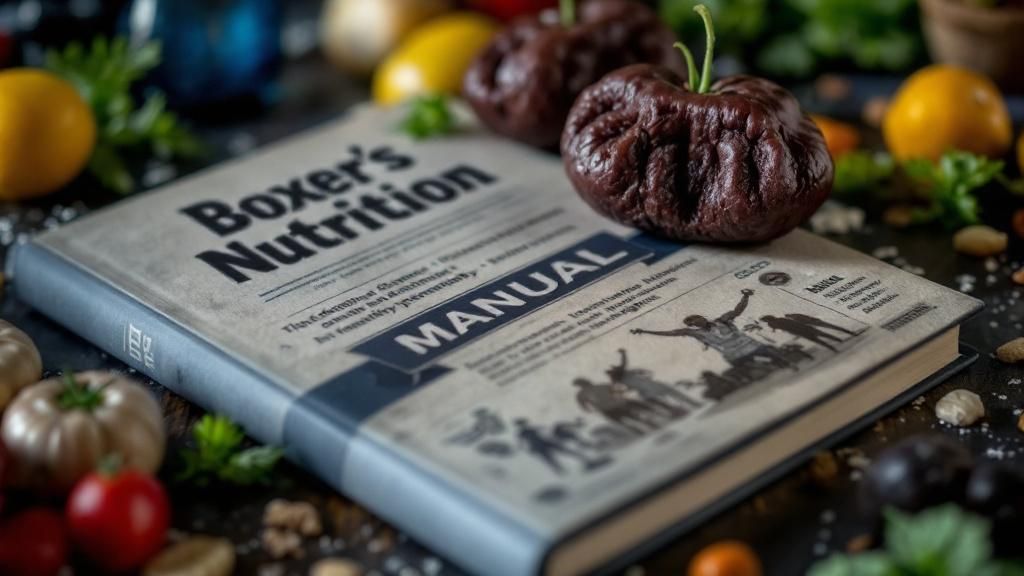

Whether you’re beginning your boxing journey for the first time or training for professional fights, proper nutrition represents the bedrock of boxing success. This detailed resource presents science-backed nutrition approaches purposefully created for boxers seeking effective weight regulation without undermining performance. From nutrient proportions to eating schedules protocols, we’ll explore scientifically-supported eating programmes that boost endurance, strength, and recuperation whilst maintaining your target fighting weight. Learn how elite boxers nourish themselves for optimal results and sustainable results.
Comprehending Dietary Fundamentals for Boxers
Boxing calls for exceptional physical conditioning, and nutrition acts as the essential foundation underpinning athletic performance. Boxers require a carefully calibrated nutritional approach that balances energy availability with weight management objectives. Unlike many sports, boxing requires meticulous nutritional strategy because fighters must maintain specific weight categories whilst retaining strength, speed, and endurance. Understanding the nutritional foundations allows boxers to optimise their training adaptations, accelerate recovery between sessions, and preserve competitive advantages throughout rigorous training camps and competition schedules.
The physiological requirements of boxing—including intense interval-based training, dynamic strength development, and prolonged aerobic exertion—require careful macronutrient allocation and micronutrient sufficiency. Boxers must consume adequate protein for muscle repair, sufficient carbohydrates for fuel availability, and suitable fats for endocrine function and joint integrity. Additionally, adequate fluid intake and electrolyte management remain vital for maintaining cognitive function, reflexive speed, and fighting performance. Building strong nutritional bases allows boxers to handle weight-related demands whilst promoting physiological restoration and optimising training results.
Balancing Macronutrients and Nutritional Energy Needs
Boxers require a precisely balanced balance of macronutrients to support the intense physical demands of competitive training. Caloric needs vary significantly based on training intensity, body weight, and metabolism, typically ranging from 2,500 to 4,500 calories per day for boxers in training. Optimal macronutrient distribution generally consists of 40-50% carbohydrates for sustained energy, 25-35% protein for muscle recovery, and 20-25% beneficial fats for hormonal function and general wellbeing. This balanced approach ensures adequate fuel whilst preserving muscle definition throughout weight control periods.
Protein Consumption for Muscle Repair
Proteins functions as the essential foundation for muscular repair and adaptation following intense boxing training sessions. Boxers ought to target approximately 1.6 to 2.2 grams of protein per kilogramme of bodyweight daily, distributed evenly across numerous eating occasions. This higher amount facilitates recovery from the constant impacts and physical demands present in boxing, whilst enhancing fullness when losing weight. Premium protein options guarantee sufficient amino acid profiles required for optimal muscle protein synthesis and performance gains.
Spacing protein consumption strategically throughout the day optimises muscular recovery gains and maintains metabolic efficiency. Ingesting protein shortly after training accelerates muscular repair and replenishes exhausted amino acid stores. Incorporating snacks high in protein among your main meals maintains amino acid availability and reduces unwanted muscle degradation during training sessions. Protein needs per person differ depending on the amount of training, your age, and recovery capacity, requiring personalised nutritional assessment and modification.
- Poultry cuts delivers high-quality protein with minimal saturated fat content
- Fish supplies omega-3s aiding inflammation management and recovery
- Eggs contain full amino acid profiles crucial for muscle development
- Greek yoghurt pairs protein with probiotics for digestive health support
- Legumes provide plant-based protein with dietary fibre content
Fluid and Electrolyte Balance
Proper hydration constitutes a essential component of boxing performance and weight management success. During rigorous training and competition, boxers lose considerable fluids through sweating, which influences heart function, muscle endurance, and mental performance. Sustaining proper fluid balance across the entire day—not just during workouts—guarantees your body operates at peak efficiency. Aim to consume approximately 2.5 to 3.5 litres of water daily, adjusting intake based on workout intensity, environmental temperature, and personal perspiration levels to maintain your performance whilst achieving your weight management goals.
Electrolytes—particularly sodium, potassium, and magnesium—are essential in sustaining proper fluid equilibrium, muscular contractions, and nervous system function during boxing sessions. When boxers undergo extended periods of perspiration, they deplete these essential minerals, which can reduce training effectiveness and extend recovery time. Think about adding electrolyte-rich fluids during training sessions lasting over an hour, especially when preparing for weight cuts. Naturally occurring sources like coconut water, bananas, and leafy greens deliver essential minerals alongside your typical fluid intake plan, guaranteeing complete electrolyte replacement without excessive caloric intake.
Weight Management Approaches to Preparing for Competition
Effective body weight control in boxing requires a strategic approach that combines caloric intake with training demands. Boxers must establish realistic weight targets aligned with their inherent physique, avoiding drastic weight-cutting techniques that compromise performance and health. Adopting gradual weight adjustments over multiple weeks, rather than rapid fluctuations, preserves muscle mass and sustains metabolic efficiency. Professional sports dietitians recommend monitoring body composition through regular assessments, ensuring fat loss rather than muscle loss. This systematic method allows fighters to achieve fighting weight divisions whilst maintaining strength and stamina levels essential for ring performance.
Competition readiness calls for detailed nutrition strategy during the final weeks before matches. Boxers should adopt structured eating plans that align with exercise load, gradually reducing calories whilst keeping adequate protein consumption to protect lean muscle tissue. Hydration management becomes increasingly critical as competition approaches, with strategic fluid consumption supporting maximum competitive results without excessive weight gain. Planned carbohydrate consumption around training sessions maintains energy levels and facilitates recovery, whilst micronutrient support addresses potential nutritional gaps. Collaborating with knowledgeable sports dietitians ensures individualised strategies take into account personal metabolism, training volume, and particular competition demands, ultimately enhancing both performance outcomes and sustained athletic performance.
